Next phase
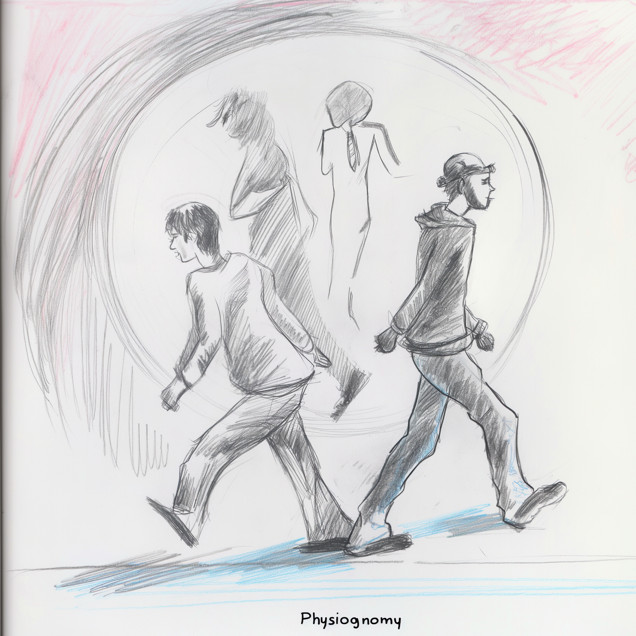
In a few years, the initiative expanded into Sub-Saharan Africa, transforming into a community-based program that served as an alternative teaching method. This phase promoted debates as an integral part of local democracy and citizenship education for youth. The expansion aimed to adapt the successful elements of the European reality to the unique cultural and social contexts of Sub-Saharan communities, ensuring relevance and engagement. By integrating school-community debates into the broader community, the program extended beyond schools, involving various community members, including elders, local leaders, and parents. This inclusive approach fostered a richer educational experience, where youth could learn from diverse perspectives and gain a deeper understanding of their societal roles. The initiative emphasized the importance of critical thinking and dialogue in nurturing informed, active citizens who could contribute meaningfully to their communities.
Workshops and seminars were organized in community centers, where participants engaged in discussions on local governance, ethical issues, and civic responsibilities. These sessions provided a platform for young people to voice their opinions, challenge prevailing norms, and propose innovative solutions to local problems. The involvement of community members ensured that the discussions were grounded in real-life experiences and addressed the specific needs and concerns of the community. The program’s success in Sub-Saharan Africa was marked by heightened youth awareness of democratic principles in local decision-making processes. Participants developed skills in logical reasoning, public speaking, and respectful discourse, which they applied in various aspects of their lives. The community-based approach can also strengthen social cohesion, as it encouraged intergenerational dialogue and mutual understanding.
Ultimately, the concept of “Physiognomy at School” exemplified the program’s adaptability and its potential to create a lasting impact on democratic education and community engagement. By fostering a culture of philosophical inquiry and critical thinking, the initiative helped shape thoughtful, informed citizens committed to the principles of democracy and civic responsibility.