Community Education

In 2021, the program expanded into Sub-Saharan Africa, evolving into a comprehensive community-based educational initiative. This shift aimed to incorporate philosophical education and debates into a broader framework of place-based education tailored to local contexts in various African countries. The program emphasized the importance of connecting education to the immediate environment and cultural realities of the students, fostering a sense of belonging and responsibility towards their communities. The core idea is to enhance local democracy and citizenship education for youth through immersive, context-specific educational activities.
The initiative aimed to address the educational needs of diverse communities by integrating local knowledge and practices into the curriculum. By doing so, it sought to create a more relevant and engaging learning experience that could bridge the gap between traditional education and the practical realities faced by students in their daily lives. This approach not only enhanced school learning experience but also promoted civic engagement and community development.
Examples
South Africa:
In South Africa, the program was implemented in urban and rural schools, focusing on issues such as social justice, environmental sustainability, and local governance. Students engaged in projects that connected them with their communities, such as urban gardening initiatives and local history projects, fostering a sense of pride and ownership in their local environment.
Nigeria:
In Nigeria, the program emphasized the importance of cultural heritage and community participation. Students were involved in documenting local traditions and practices, which were then integrated into the school curriculum. This not only preserved valuable cultural knowledge but also enhanced students’ understanding of their identity and community.
Kenya:
In Kenya, the initiative focused on environmental education and sustainable practices. Schools partnered with local environmental organizations to develop projects that addressed issues such as deforestation and water conservation. These projects provided students with hands-on learning experiences and highlighted the importance of sustainable practices in their communities.
Tanzania:
In Tanzania, the program aimed to improve literacy and educational outcomes through community involvement. Parents and local leaders were encouraged to participate in school activities, creating a supportive learning environment for students. Additionally, the curriculum was adapted to include local languages and contexts, making education more accessible and relevant.
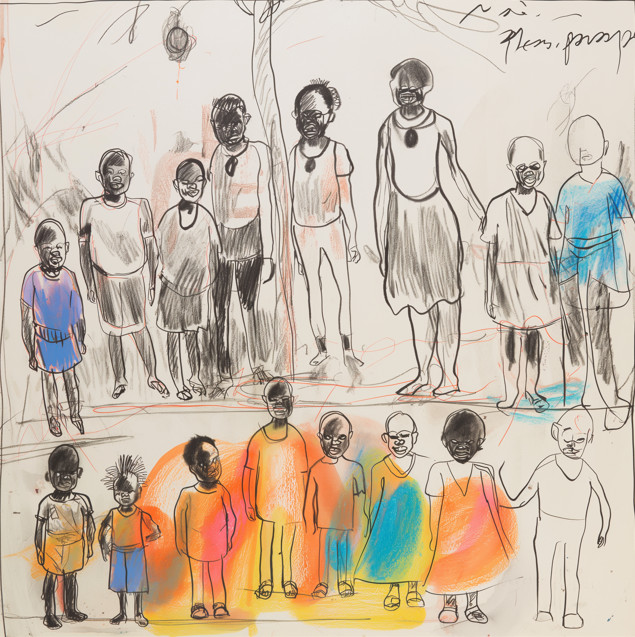
Books
A selection of books from the African version of the program.


Note: Based on information from annual reports spanning 2021 to 2024, as presented during the program’s workshops.