Educational Hubs
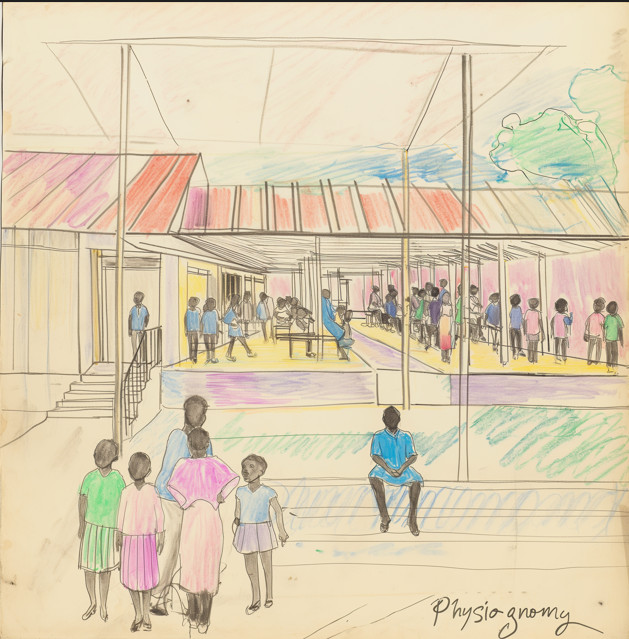
In Sub-Saharan Africa, the idea emphasizes into creating educational hubs tailored to local contexts. These hubs serve as centers for community education, place-based learning, and local engagement, fostering a collaborative environment for all community members. The primary goal of these educational hubs is to transform schools into vibrant community centers that cater to the educational needs of both students and the broader community. Schools are now into the heart of the community, making them centers of learning and engagement for all community members. By integrating educational activities with the local culture and issues, these hubs aim to create a more relevant and impactful learning experience.
Implementation and Impact
The implementation of educational hubs in Africa involves a complicated approach:
- Community Involvement: Local communities are actively involved in the planning and execution of educational programs, ensuring that the content and methods are culturally relevant and address local needs.
- Flexibility and Adaptation: Educational activities are designed to be flexible and adaptable to the unique conditions of each community, allowing for effective integration with local traditions and daily life.
- Resource Sharing: Schools and community centers share resources and facilities, optimizing the use of space and materials for various educational and community activities.

Examples
Uganda:
In Uganda, educational hubs have been established in both urban and rural areas. One notable example is the integration of agricultural education into the school curriculum. Students participate in hands-on farming projects, learning sustainable practices that benefit their families and the broader community. This approach not only enhances educational outcomes but also supports local food security.
Zambia:
In Zambia, the program has focused on health education and community health initiatives. Schools have partnered with local health organizations to provide education on topics such as hygiene, nutrition, and disease prevention. These initiatives have improved community health outcomes and fostered a collaborative spirit between schools and local health providers.
Democratic Republic of Congo (DRC):
In the DRC, the program has emphasized the importance of peace education and conflict resolution. Educational hubs provide a safe space for students to learn about non-violent communication and conflict resolution strategies. These programs have been crucial in fostering a culture of peace and understanding in communities affected by conflict.
Cameroon:
In Cameroon, the focus has been on enhancing literacy and numeracy through community-led tutoring programs. These programs engage volunteers from the community to assist with after-school tutoring, creating a supportive learning environment that extends beyond the classroom. This approach has significantly improved literacy rates and educational outcomes in participating communities.
Books
A selection of books from the African version of the program.
Note: Based on information from annual reports spanning 2021 to 2024, as presented during the program’s workshops.