Community Participation

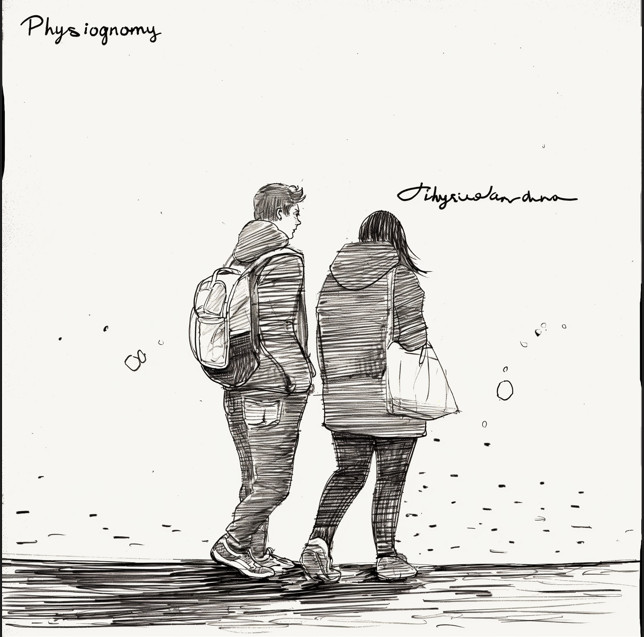
“Physiognomy at School” places a significant emphasis on fostering community participation, transforming schools into dynamic hubs of knowledge and engagement. By leveraging local networks and creating community-based workshops, the program enhances educational outcomes and community involvement, as demonstrated in various regions across Europe and Africa. This section explores how this initiative promotes active involvement of local communities in the educational process, with a focus on examples from Nigeria, the Netherlands, Switzerland, and Poland.
Netherlands
In the Netherlands, “Physiognomy at School” focuses on promoting intercultural understanding and community engagement through educational activities. Schools serve as cultural hubs where students and community members can engage in discussions and activities that foster mutual respect and understanding.
Key Features:
- Intercultural Dialogue: Schools host intercultural events and discussions that involve students, parents, and community members, promoting a deeper understanding of diverse cultural backgrounds.
- Community Projects: Collaborative projects that address local issues, such as environmental sustainability or social inclusion, are developed and implemented by students with community support.
- Teacher Facilitation: Teachers act as facilitators, guiding discussions and ensuring that all voices are heard and respected, fostering a democratic and inclusive school environment.
Nigeria
In Nigeria, the program has been implemented in rural secondary schools like in Kwara State. This initiative aims to transform schools into community knowledge hubs by leveraging local networks and community-based workshops. The program has significantly enriched community engagement by providing practical skills to both students and adults, fostering collaboration between schools and the community. Local teachers, using their rural networks and knowledge, have been central to mobilizing these networks and integrating practical education that addresses community-specific issues.
Key Features:
- Local Networks: Teachers identify and engage local professionals to conduct workshops that highlight the benefits of education and provide practical solutions to local problems.
- Community Workshops: These workshops cover a range of topics, from agriculture to engineering, and involve local professionals who share their expertise with the community.
- Inclusive Participation: The program encourages the active participation of community members, including parents and local leaders, to integrate schools into the community life effectively.
Switzerland
In Switzerland, the program emphasizes the role of schools as community centers that support lifelong learning and community engagement. By organizing a variety of educational and cultural activities, schools in Switzerland become integral parts of their communities.
Key Features:
- Lifelong Learning: Schools offer programs and workshops for community members of all ages, promoting lifelong learning and skill development.
- Cultural Integration: Activities that celebrate local culture and heritage are organized, helping to strengthen community bonds and preserve cultural traditions.
- Community Support Networks: Schools collaborate with local organizations and institutions to provide comprehensive support to students and their families, addressing both educational and social needs.
Poland
In Poland, the program has been effectively implemented in both urban and rural schools, focusing on integrating local history and cultural heritage into the educational experience. Schools become centers of community activity, where learning extends beyond the classroom to involve the entire community.
Key Features:
- Heritage Projects: Schools engage students and community members in projects that explore local history and traditions. These projects often involve creating exhibitions, organizing cultural festivals, and documenting local folklore.
- Community Workshops: Regular workshops are conducted where local artisans, historians, and other professionals share their knowledge and skills with students and community members. These workshops cover a range of topics from traditional crafts to contemporary issues.
- Inclusive Community Events: Schools organize events that bring together students, parents, and local residents. These events include cultural celebrations, public debates, and educational fairs that foster a sense of community and shared identity.
Conclusion
The program successfully transforms schools into community hubs, fostering a collaborative environment that extends beyond traditional educational outcomes. By engaging local networks and creating community-based workshops, the program enhances educational outcomes and community engagement, promoting a culture of lifelong learning and active participation. The examples from Nigeria, the Netherlands, Switzerland, and Poland illustrate the diverse ways in which this program can be adapted to different cultural and social contexts, demonstrating its flexibility and impact in promoting community participation and educational excellence.